12" Vinyl Record Poly Sleeves
Our extensive selection of vinyl record protective sleeves is ideal for storing, protecting, and showcasing your LP records.
Here are some common questions vinyl record enthusiasts ask when they first start their record collection journey:
Poly sleeves offer better long-term protection for vinyl records compared to paper sleeves. Commonly made from polyethylene, or polypropylene, poly sleeves are smooth and non-abrasive, which helps prevent scratches and static buildup. In contrast, paper sleeves can generate dust, deteriorate over time, and sometimes contain rough surfaces that may scuff the record. While paper sleeves are cheaper and often come standard with new records, LP poly sleeves are generally considered a superior option for archival storage and preserving sound quality.
There are 4 common materials used for clear plastic record sleeves. Let's tackle that question for each one:
Polyester (Mylar) - Absolutely! These top quality vinyl sleeves are considered archival, or museum-grade, and are among the highest quality options available for long-term preservation. They are chemically stable, do not off-gas harmful substances, and are highly resistant to tearing, moisture, and temperature changes. These qualities make them ideal for collectors, archives, and institutions seeking the best possible protection.
Polyethylene & Polypropylene - Yes! Record sleeves made from this material are safe for long-term storage and ideal for everyday use for many collectors. They are made from a stable, inert plastic that does not off-gas harmful chemicals, making them a popular choice among collectors and archivists. These poly sleeves help protect records from dust, scratches, and handling damage. They are also acid-free and ensure long-term preservation without risk of chemical interaction or static buildup.
Polyvinyl (PVC) - No. Although polyvinyl is not recommended for long-term storage, its clear, and semi-rigid qualities serve as an excellent material for showcasing records and laser discs.
Yes, poly sleeves can be used with existing record covers, and in fact, they are often used together to protect vinyl records. Here’s how they typically work:
Inner Poly Sleeves: These protect the vinyl itself, replacing paper inner sleeves that can cause scuffs. The vinyl is placed inside the inner poly sleeve, which is then inserted into the cardboard record jacket.
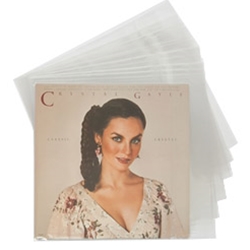
Outer Poly Sleeves: These are clear vinyl record protective sleeves designed to protect the entire record jacket (album cover) from dust, scratches, and shelf wear. They’re made to fit standard 12" LP jackets and are compatible with most existing record covers. You slide the entire record cover (with the record inside) into the outer poly sleeve.
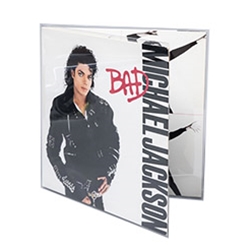
Gatefold Record Jacket Sleeves: These are outer protective sleeves specifically sized to fit gatefold album covers, which are thicker and open like a book. Open the album cover like an open book, and slide it right inside the gatefold poly sleeve.
Yes, vinyl record poly sleeves do come in different thicknesses, and the thickness is usually measured in mil (thousandths of an inch) or sometimes in microns (µm).
• 1 mil | ~25 µm | Very thin, economical, minimal protection. Can wrinkle or tear easily.
• 2 mil | ~50 µm | Thin but more durable than 1 mil. Often used for budget collections.
• 3 mil | ~75 µm | A good balance of protection and flexibility. Most common "standard".
• 4 mil | ~100 µm | Thicker and sturdier. Feels more premium. Better for frequent handling.
• 5 mil+ | 125 µm+ | Extra heavy-duty. Used by collectors who want maximum protection and a premium feel.
Storing your vinyl records properly is crucial to preserving both the sound quality and value of your collection.
1. Use the Right Sleeves. Inner Sleeve: Use anti-static, poly-lined or HDPE inner sleeves to protect the vinyl from dust, scratches, and static. Outer Sleeve: Use a polyethylene (PE) or polypropylene (PP) outer sleeve to protect the album cover from scuffs, shelf wear, and moisture.
2. Store Records Vertically. Always store your records upright (vertically) — like books on a shelf. Never stack them flat — this causes warping, ring wear, and sleeve damage over time. Use sturdy shelves that support weight evenly.
3. Keep in a Cool, Dry Place.
Ideal temperature: 65–70°F (18–21°C)
Relative humidity: 45–50%
Avoid: Direct sunlight (causes warping & fading), Heat sources (radiators, heaters, windows), and Damp basements or humid attics
Static attracts dust and dirt to vinyl records, causing particles to stick to the surface. As the record plays, the turntable needle pushes this debris into the grooves, which can degrade sound quality. A simple and effective way to reduce static buildup is by using inner sleeves, and specifically, anti-static record sleeves.
Our sleeves come in a variety of sizes and thicknesses, manufactured with precise tolerances to ensure a perfect fit for your records. Plus, many of our sleeves come in printed outer packing bags, making it easy to identify the proper sleeve for your various needs.
Whether you're a seasoned collector or just starting, we have the perfect sleeves to meet your individual needs. Choose Bags Unlimited for the ultimate vinyl record sleeves and ensure that your passion is protected.
Click on the categories below to see our diverse selection of vinyl record sleeves.